
Teams
NextCycle Michigan teams are made up of entrepreneurs, companies, organizations, and communities. Each Team is selected into programming to receive individualized business and technical support, connect to financial resources, foster partnerships, and refine their ideas to investment-ready status. Once Teams have completed programming, NextCycle Michigan remains a touchstone and support for alumni.
Explore current and alumni teams below.

Seeking to improve and expand access to safe EV battery collection and transport by establishing new partnerships with municipalities, businesses, and recyclers.


Seeking partnerships with Michigan OEMs, battery collectors, and dismantlers to license its testing technology, jointly build energy storage systems and identify a potential in-state site.

Developing a Michigan EV battery exchange and traceability network offering diagnostics, routing, and chain-of-custody tracking.

Further developing a new approach that uses electricity rather than chemicals to extract minerals from battery black mass.

Seeking to scale operations to increase EV battery dismantling capacity from scrap yards and through partnerships with OEMs and other organizations.

Seeking partnerships with Michigan recyclers to deploy its technology that detects, notifies and communicates the indicators of battery failure early.

Seeking to locate a cryomilling plant in Southeast Michigan and establish partnerships with Detroit-based battery recyclers.


Seeking diversion pathways to reduce waste and utilize unused food from the resort’s restaurant for animal feed or composting.

Launching a youth-led enterprise to divert post-consumer textiles from Michigan landfills for recycling.

Expanding its successful household battery recycling drop-off program to additional city facilities.

Aims to establish a Michigan location dedicated to complete solar panel recycling and processing.

Establishing a scalable pilot that recovers surplus food and organic kitchen waste generated by restaurants for redistribution as prepared meals, upcycled food production, and compost.
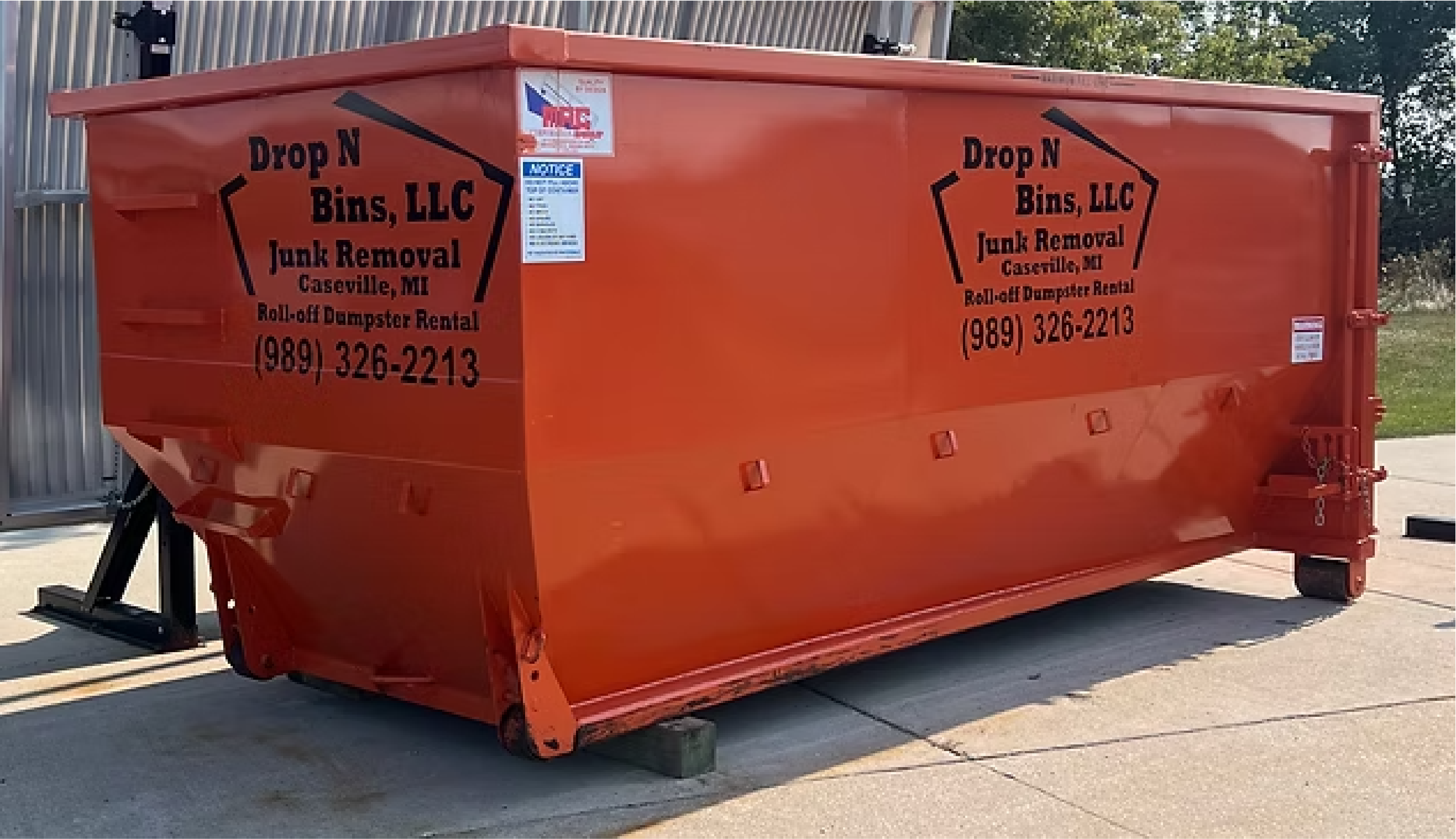
Expanding its existing roll-off dumpster rental business to include a dedicated construction and demolition material recovery and reuse program.
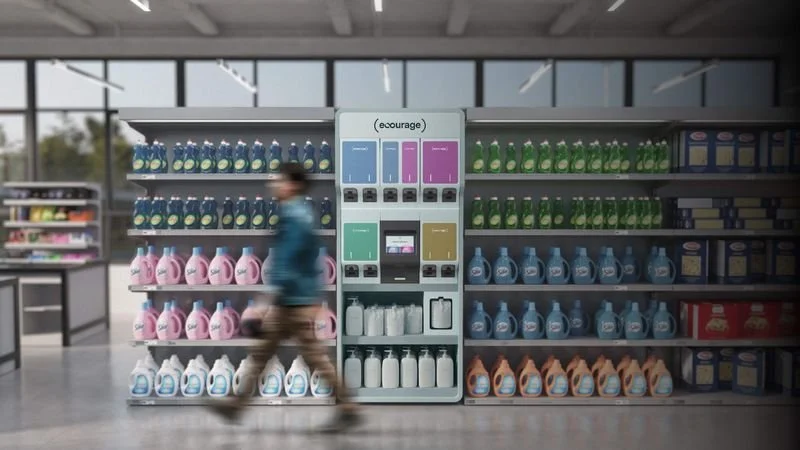
Aims to expand its refill stations for liquid home and personal care products into Michigan-based retailers, hospitality, campus, and institutional locations.
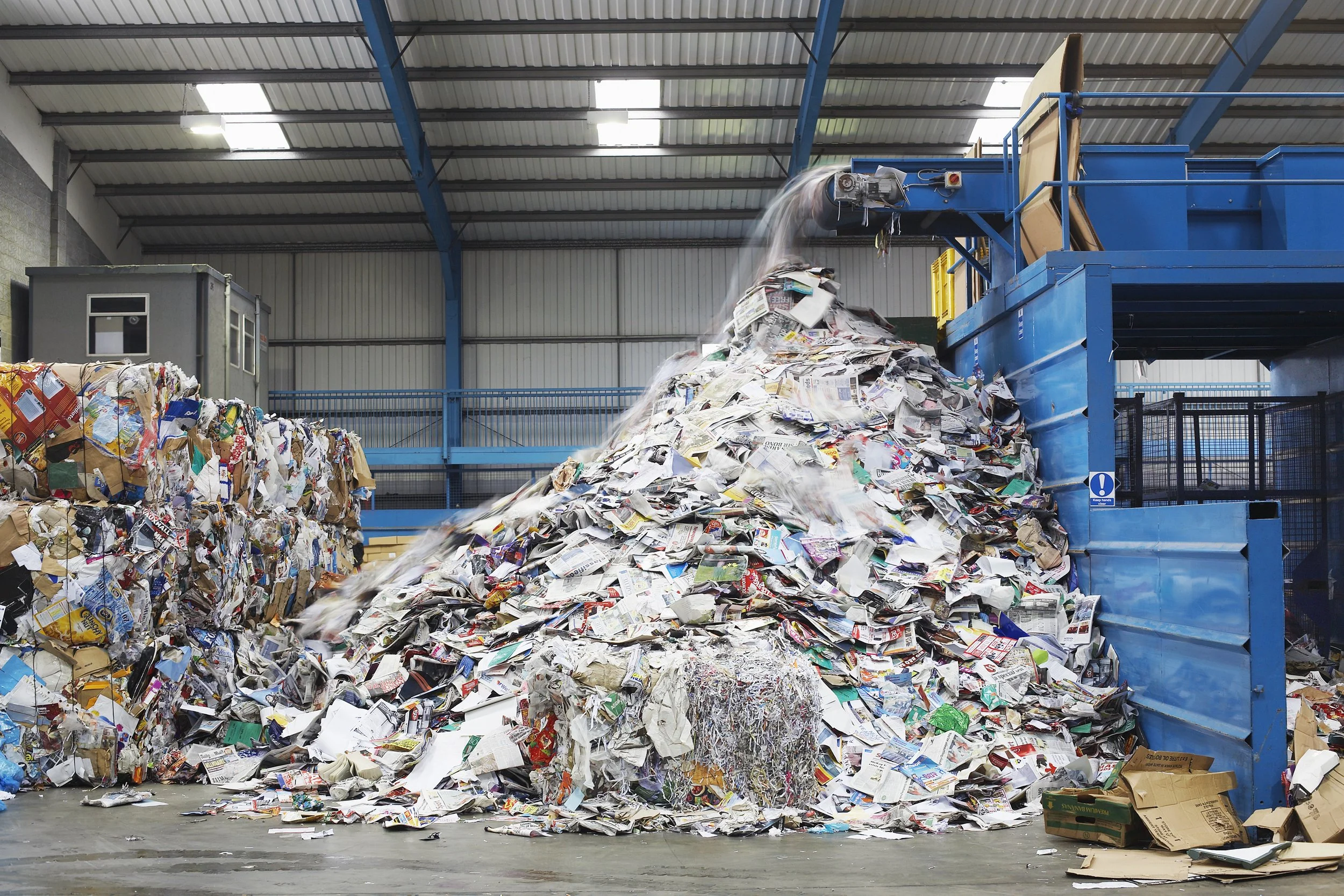
Deploying modular equipment at materials recovery facilities or as a scalable extension to paper mills that allows for efficient separation and recovery of fiber from coated paper packaging.
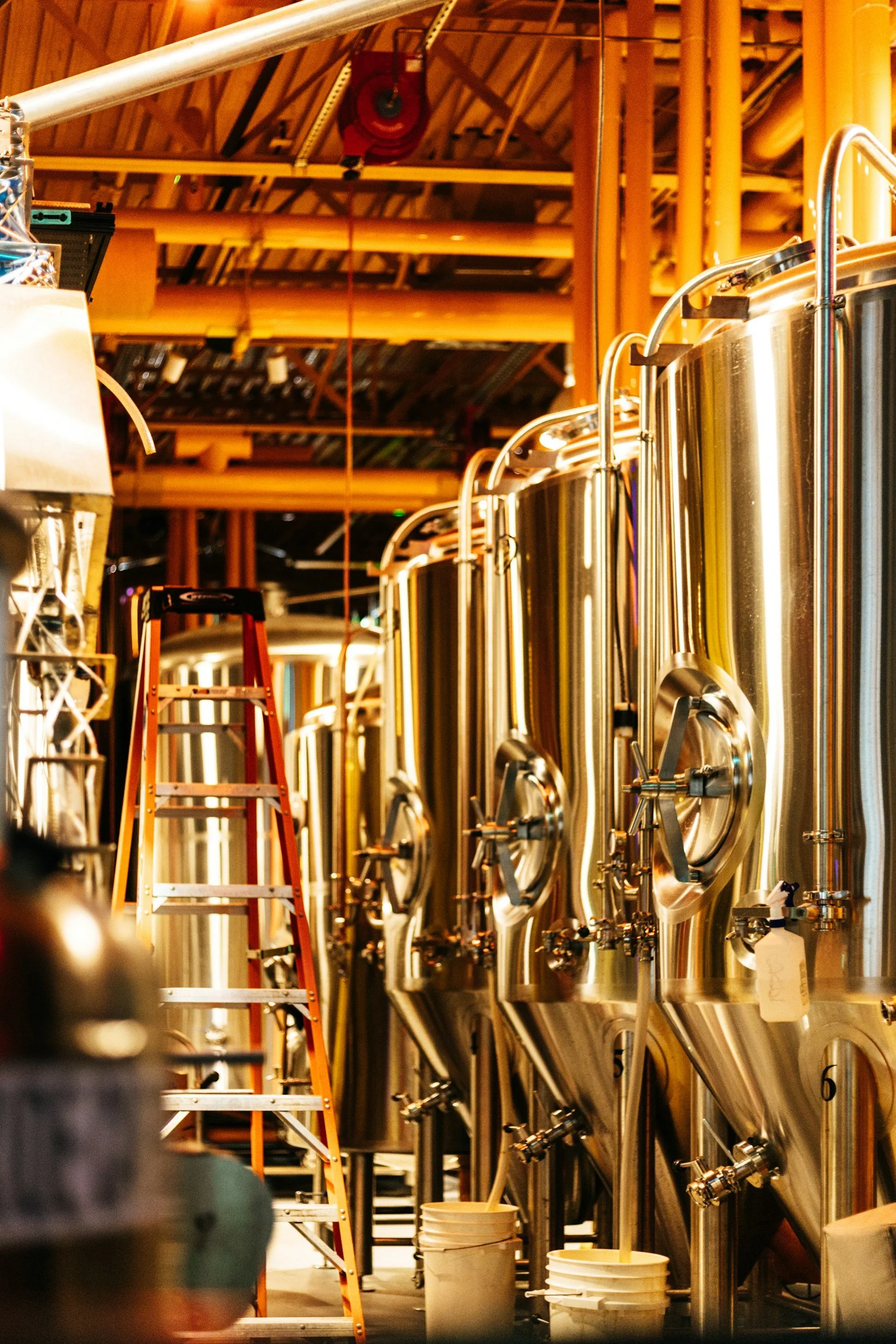
Converts craft beverage brewing byproducts, and wastewater into high-value resources like soil amendments, nutrient adders, and clean water.
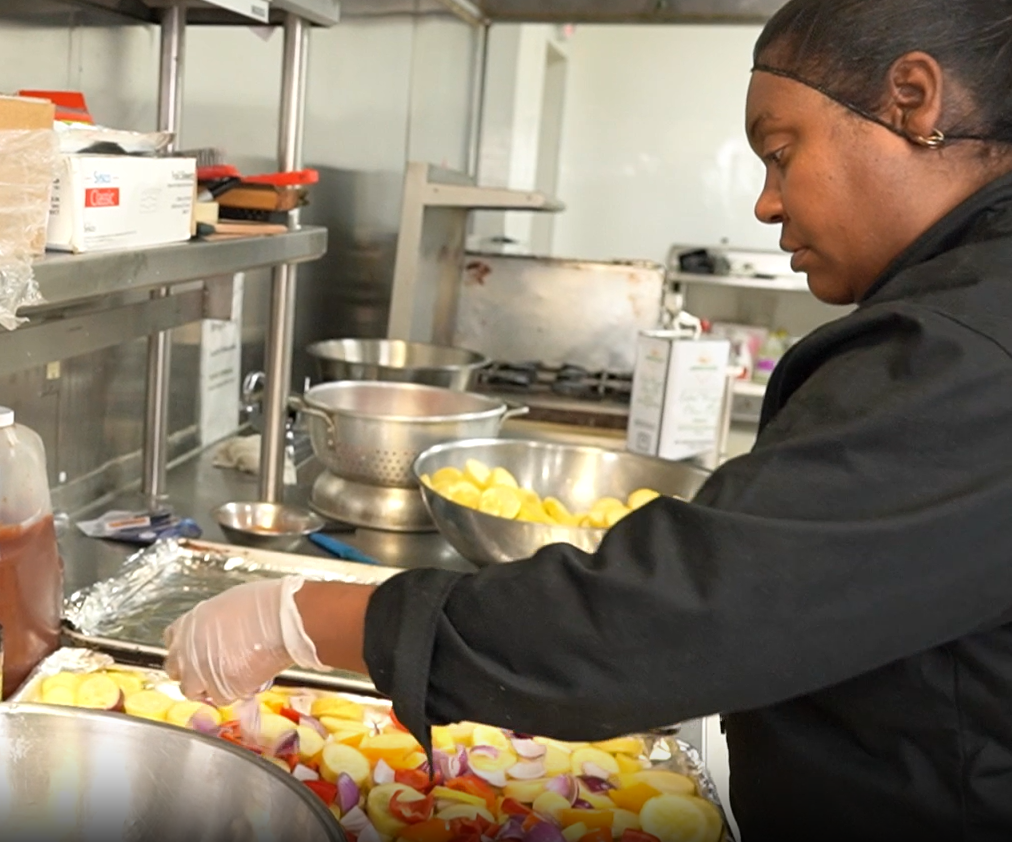
Launching the HOPE to Table Collective (HTTC), where chefs transform surplus, soon-to-expire, and imperfect food sourced from restaurants, farms, and retailers into nutritious frozen meals distributed to food pantry clients.
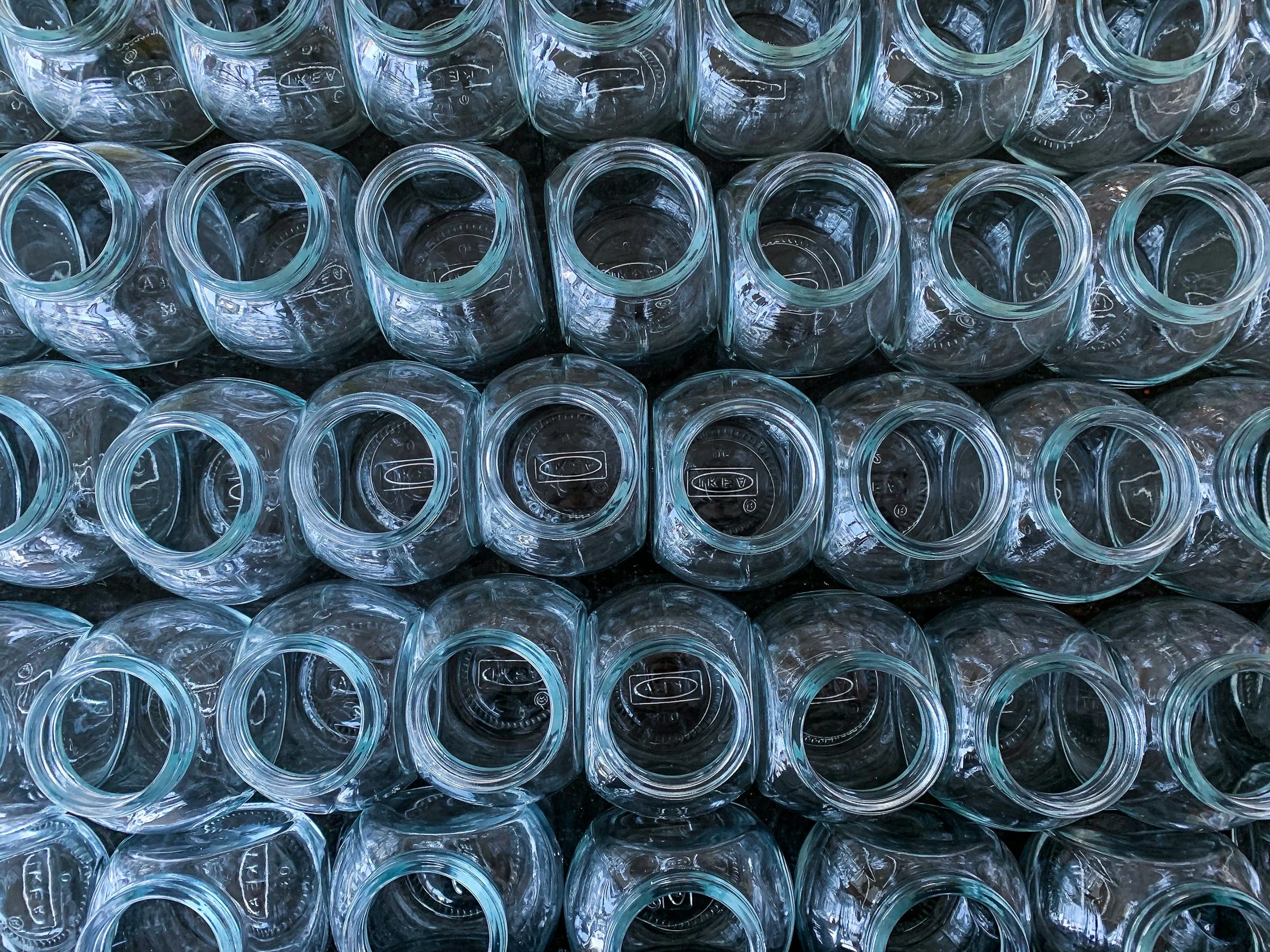
Piloting a refillable glass rewash hub that will collect, industrially wash, inspect, and redistribute glass bottles and jars for local food and beverage producers, retailers, and institutional kitchens.
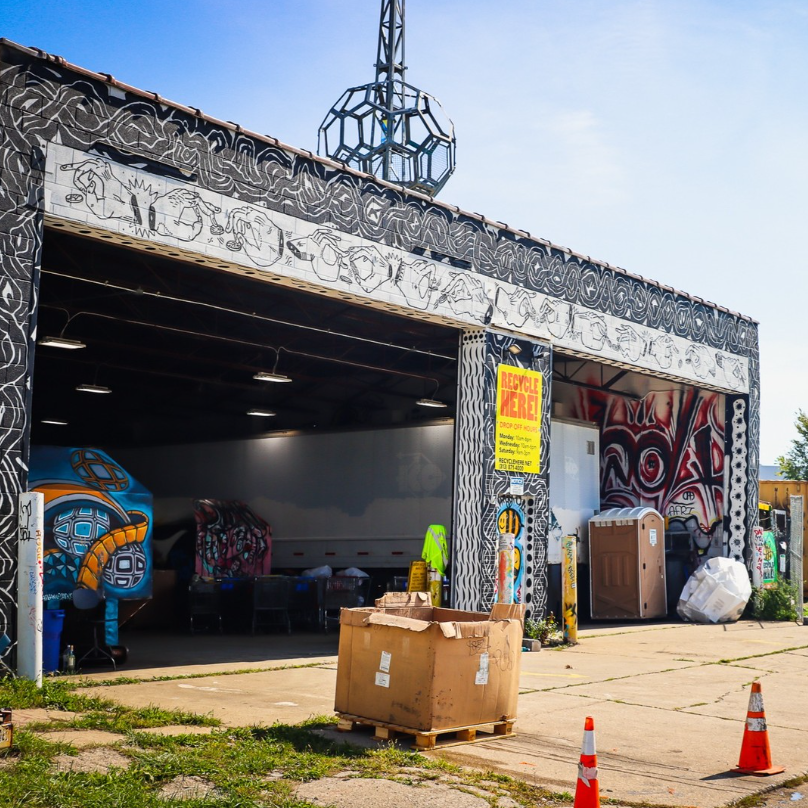
Operates Detroit’s only public drop-off recycling center free of charge for Detroit residents, collecting cardboard, metals, plastics, glass, hard-to-recycle items and more.
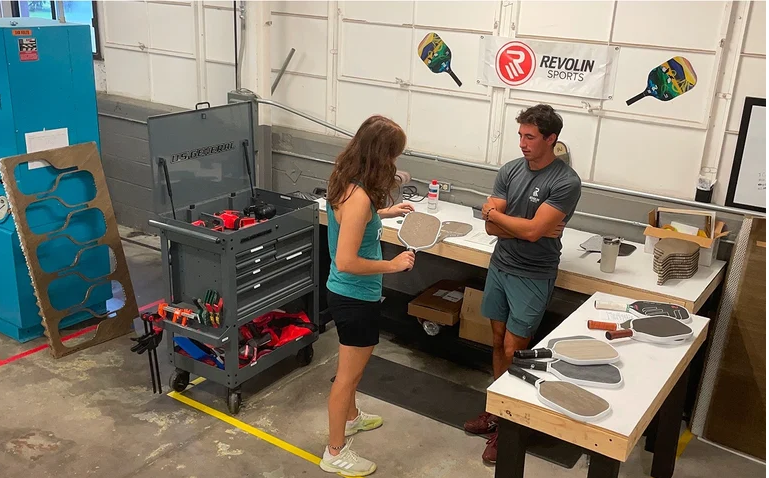
Converting post-consumer and industrial thermoplastics into high-performance honeycomb core panels used in automotive, marine, office furniture, and sporting goods applications.
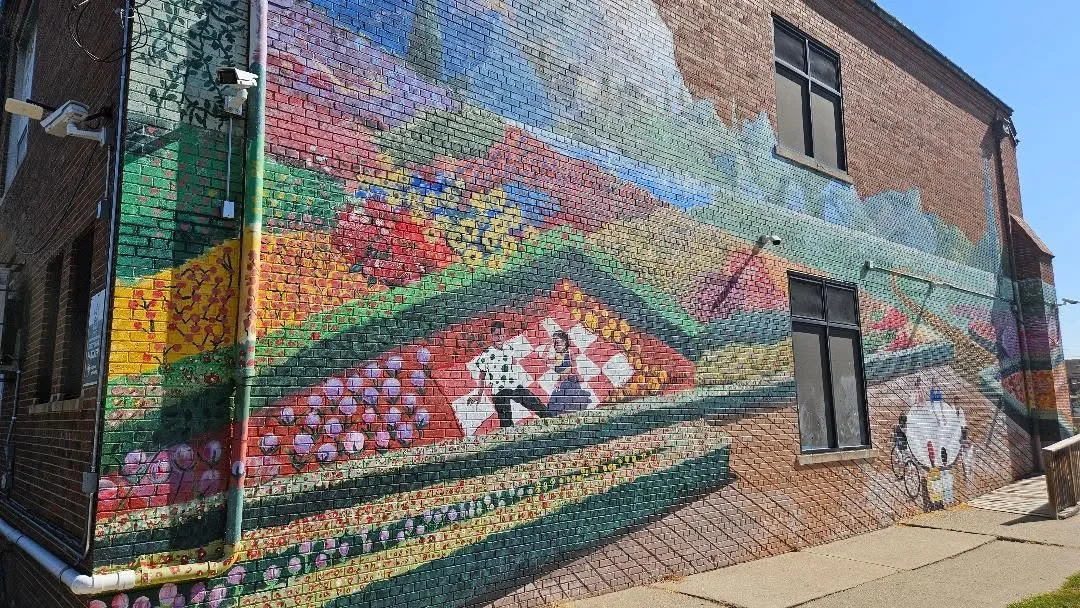
The center is establishing the Hub of Recycling and Awareness to build a shared recycling culture and increase material diversion across the community.
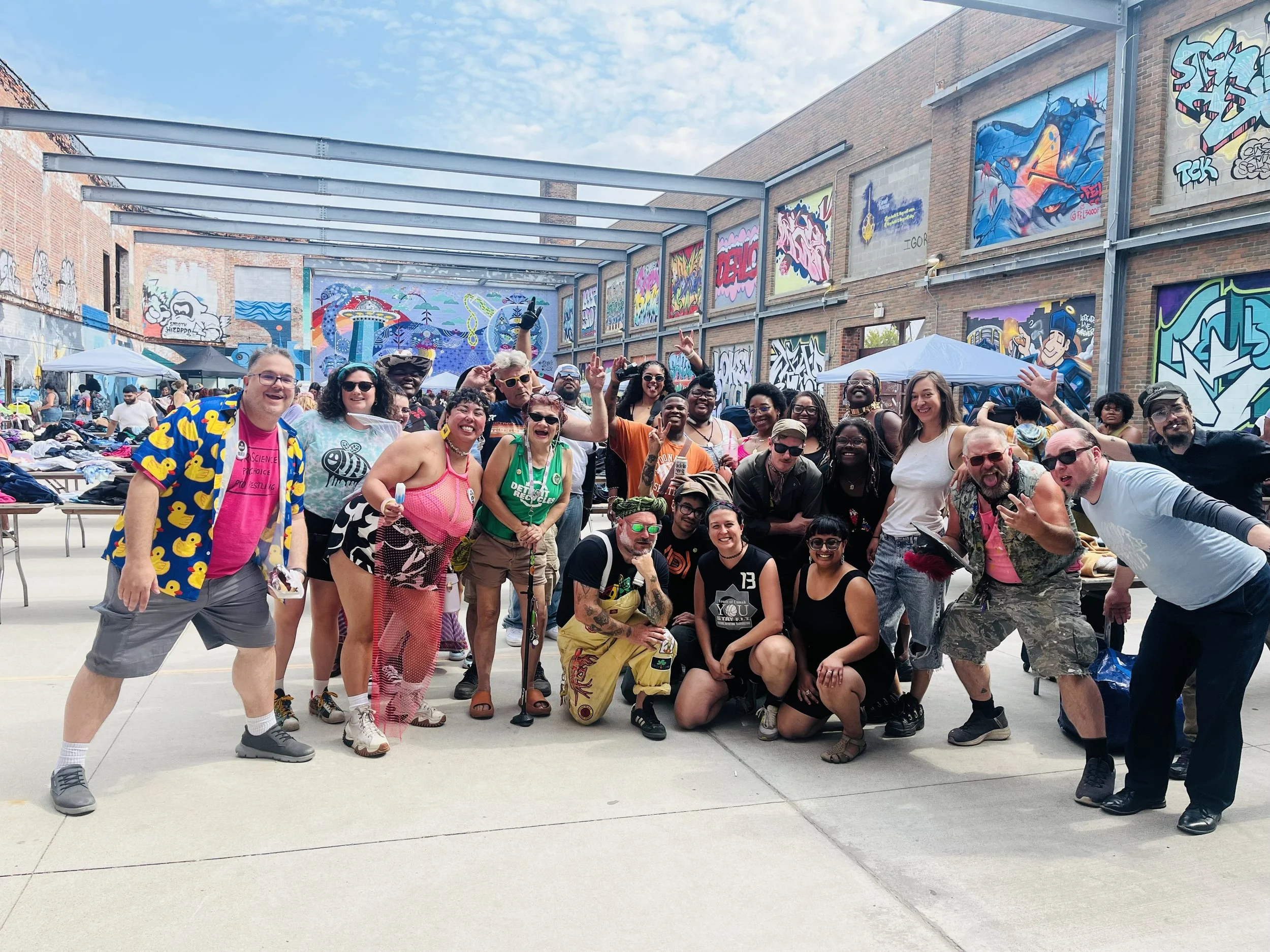
Operating quarterly large-scale swap festivals, ReVamp collects, sorts, weighs, and redistributes thousands of pounds of clothing.

Deploying a gamified waste-reduction platform that enables residents to sign up, earn points, climb leaderboards, and win prizes based on their waste and recycling behavior.
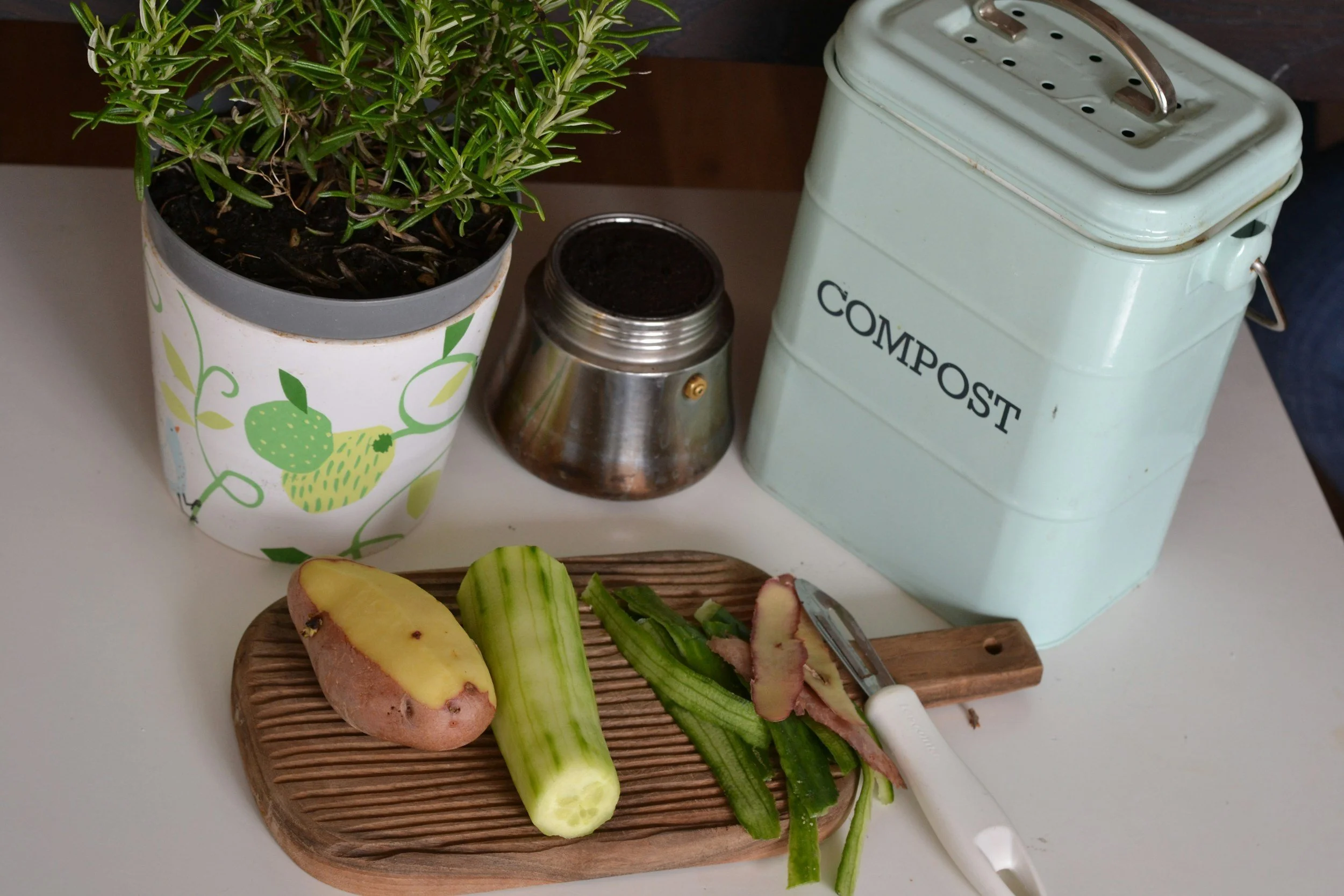
Creating rural community drop-off programs to offer food waste collection for composting.
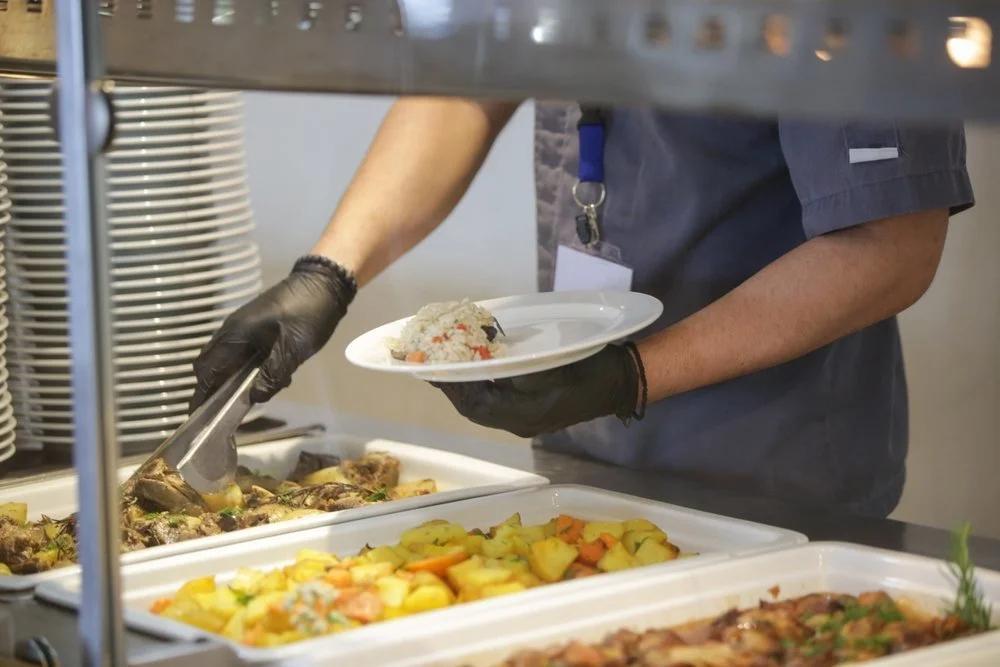
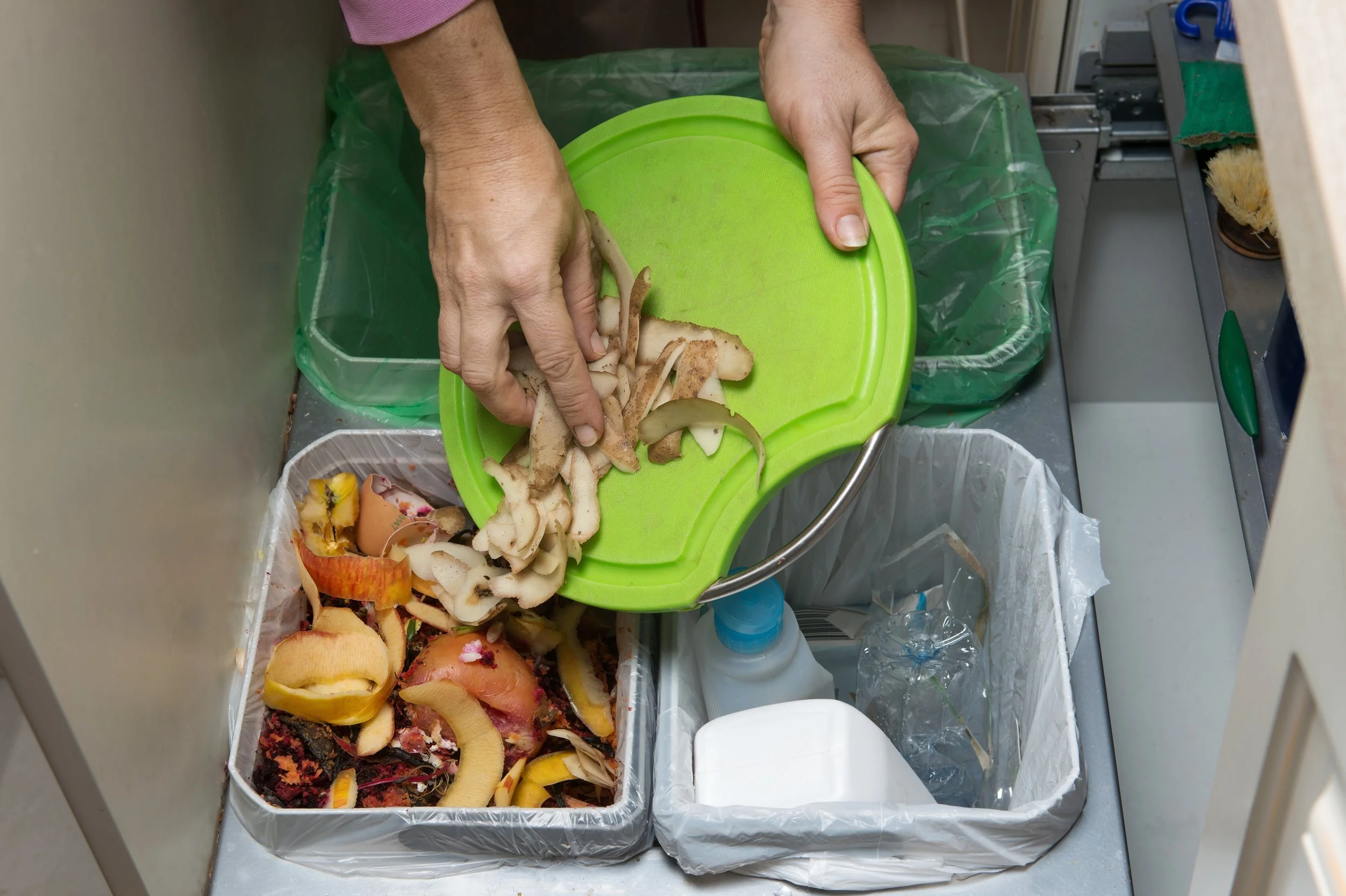
Developing a composting network where food waste generated in Detroit is collected and delivered to Detroit-based urban farm compost operations.

Developing the first municipal log recovery yard in Michigan that will transform wood waste into long-lived lumber, soil-improving biochar, clean mulch, and firewood.
Get Involved
-

Partner with NextCycle Michigan
-

Apply for the Innovation Challenge
-

Join the Mailing LIst