

Building a robust circular economy
through partnership and innovation.
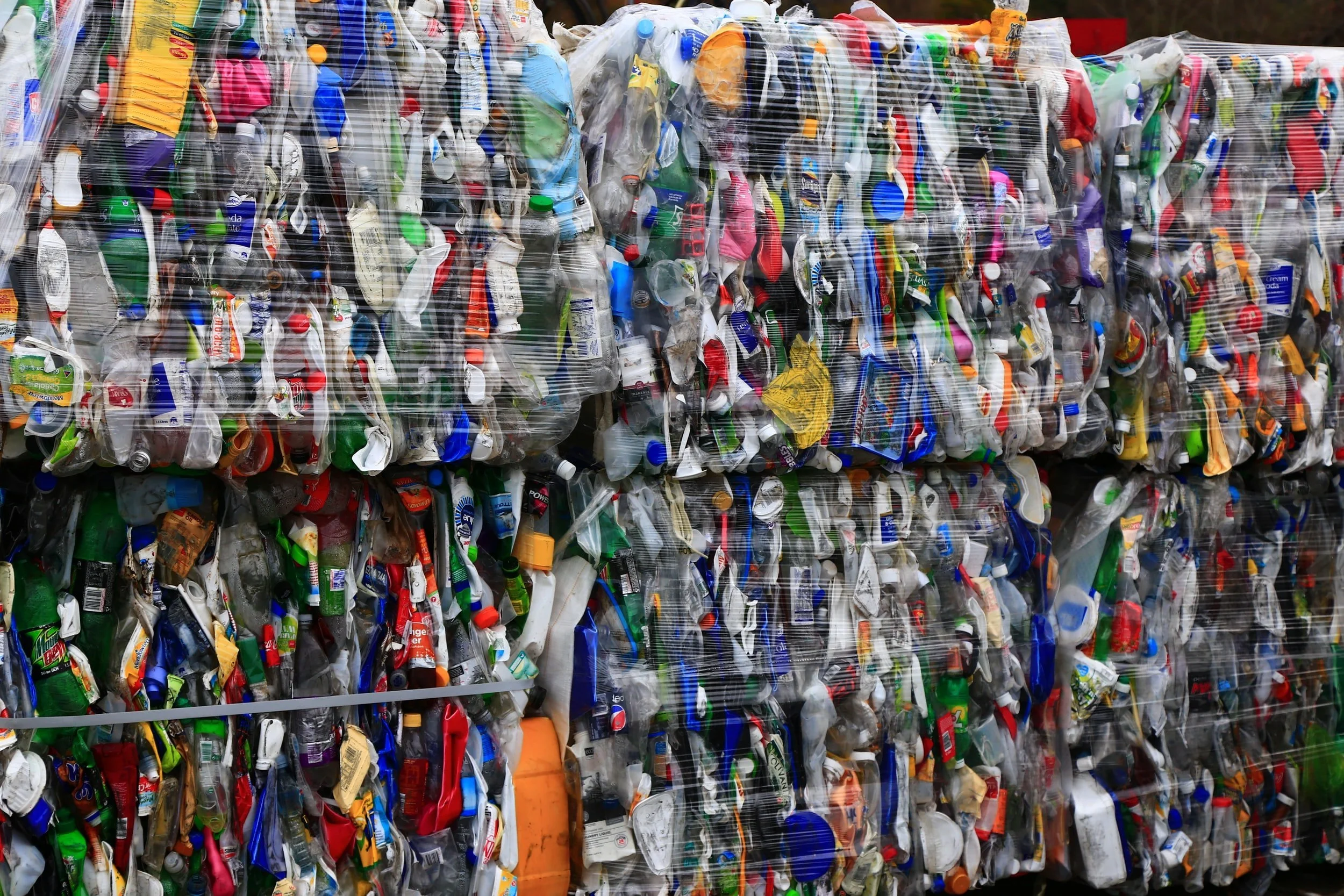
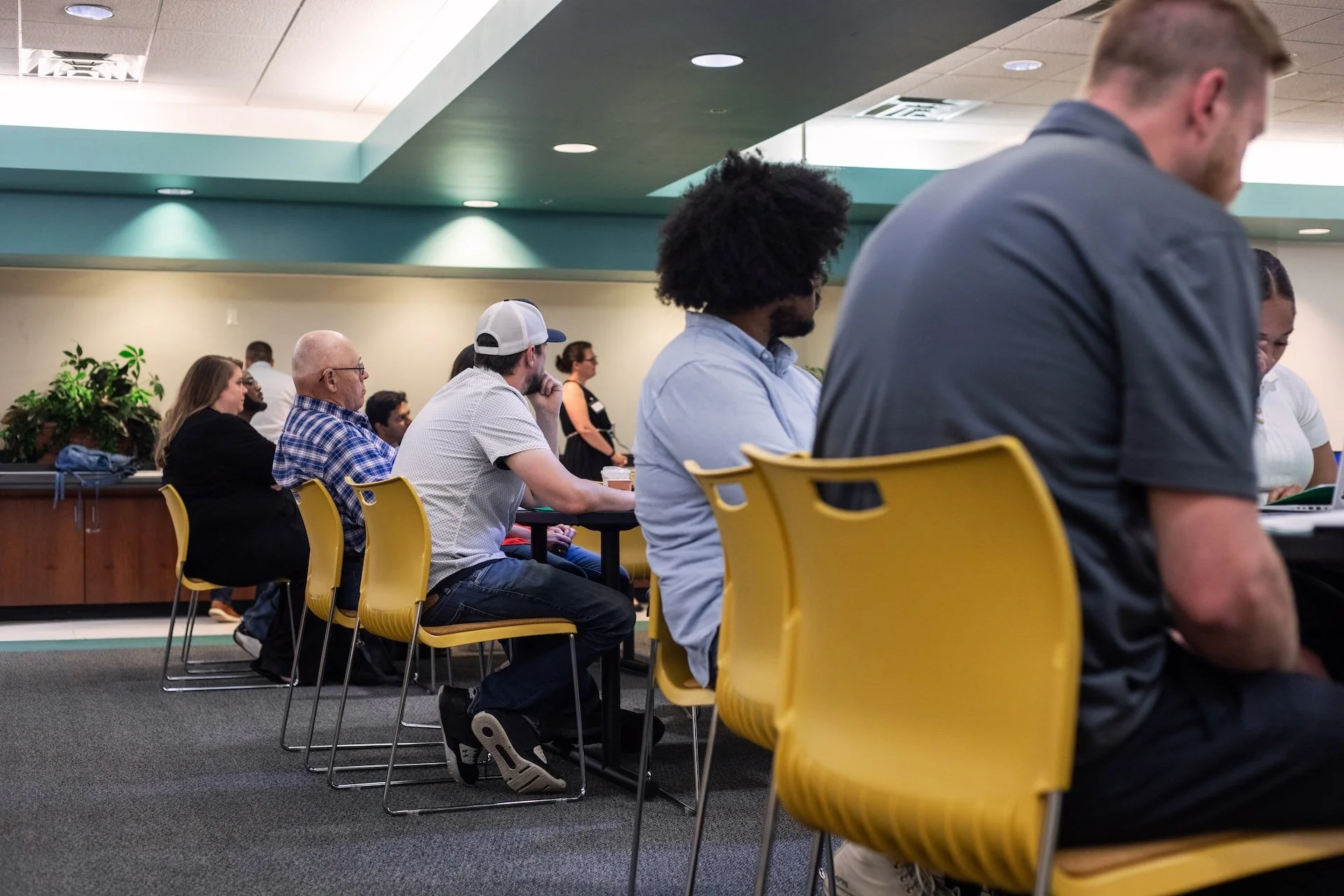

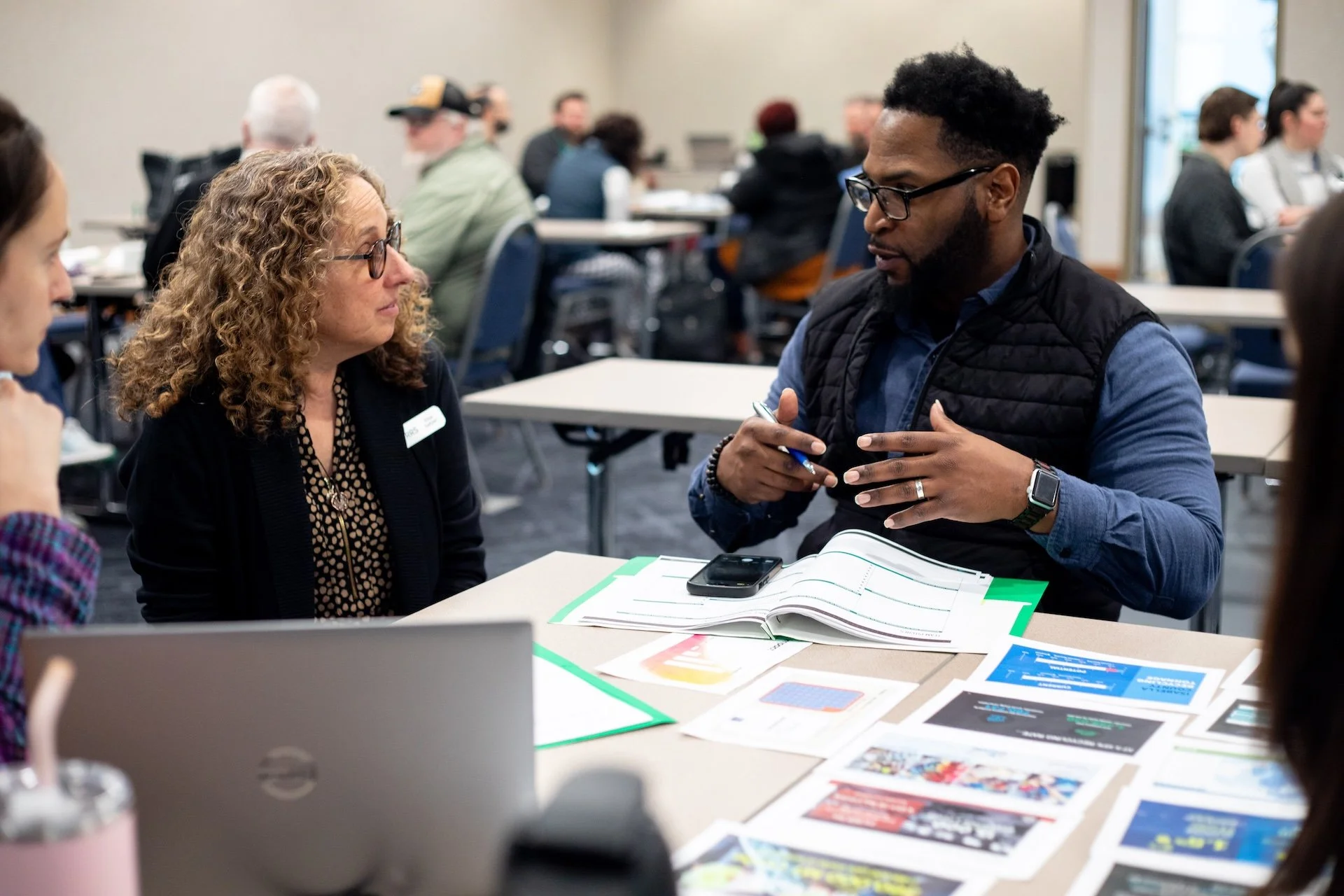

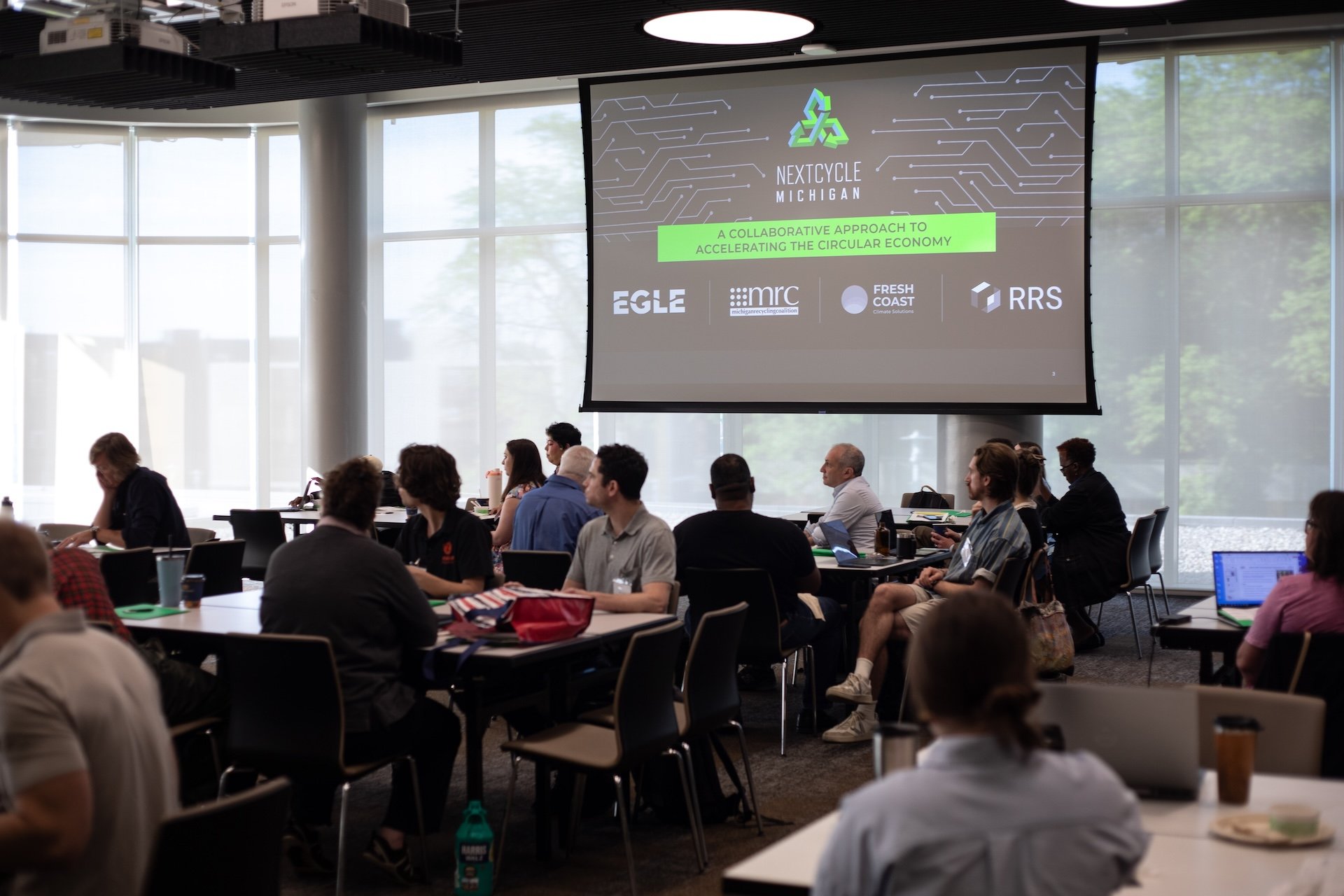
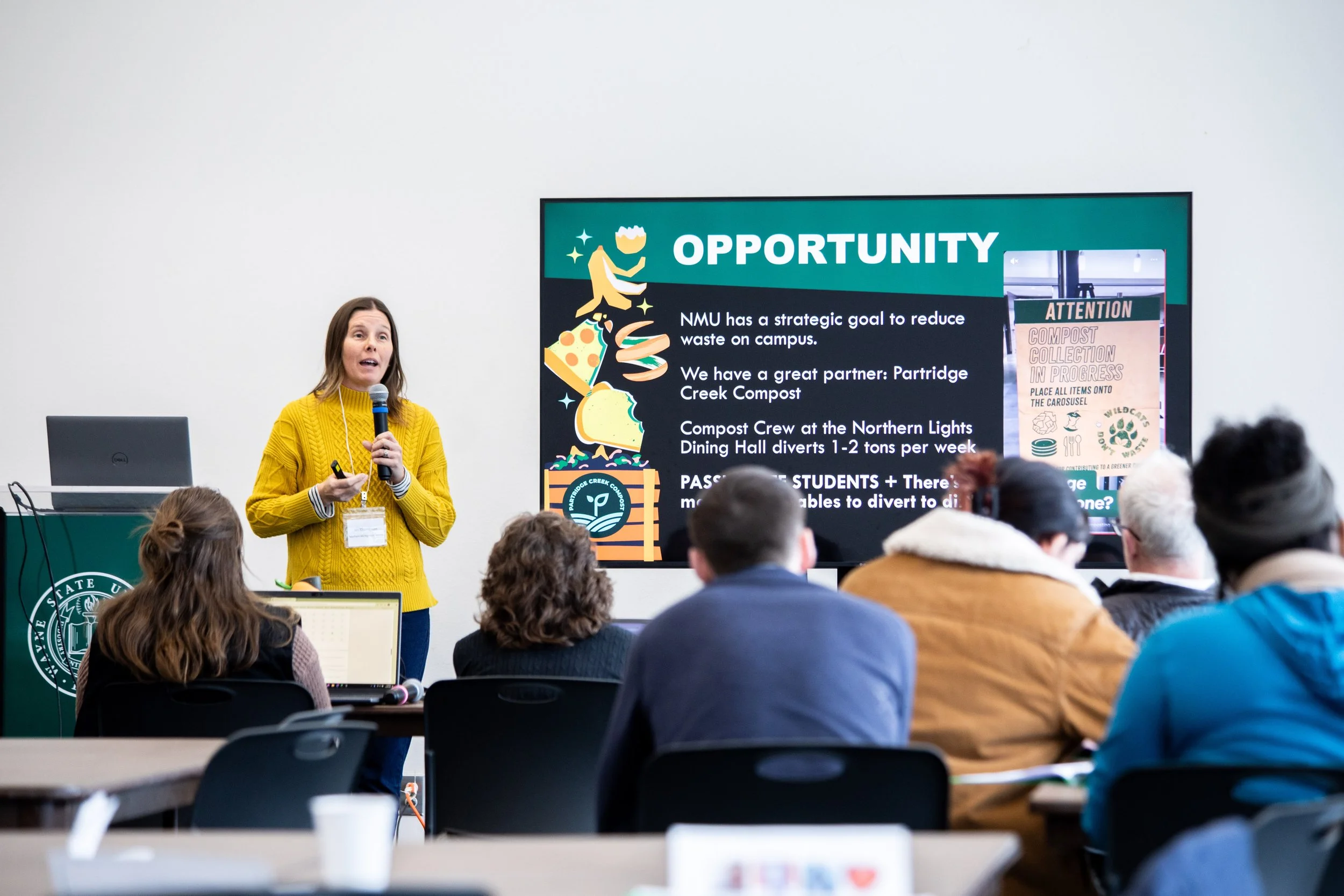



NextCycle Michigan is where bold ideas become real-world impact.
Through a dynamic accelerator that provides free expert coaching, grants and awards that offer funding pathways, and a partner network that connects innovators to resources, NextCycle Michigan is helping advance material reuse, repair, recycling, and recovery initiatives. Together, we’re building a more sustainable Michigan.
Find Your Next Step
What We’ve Been Up To
-
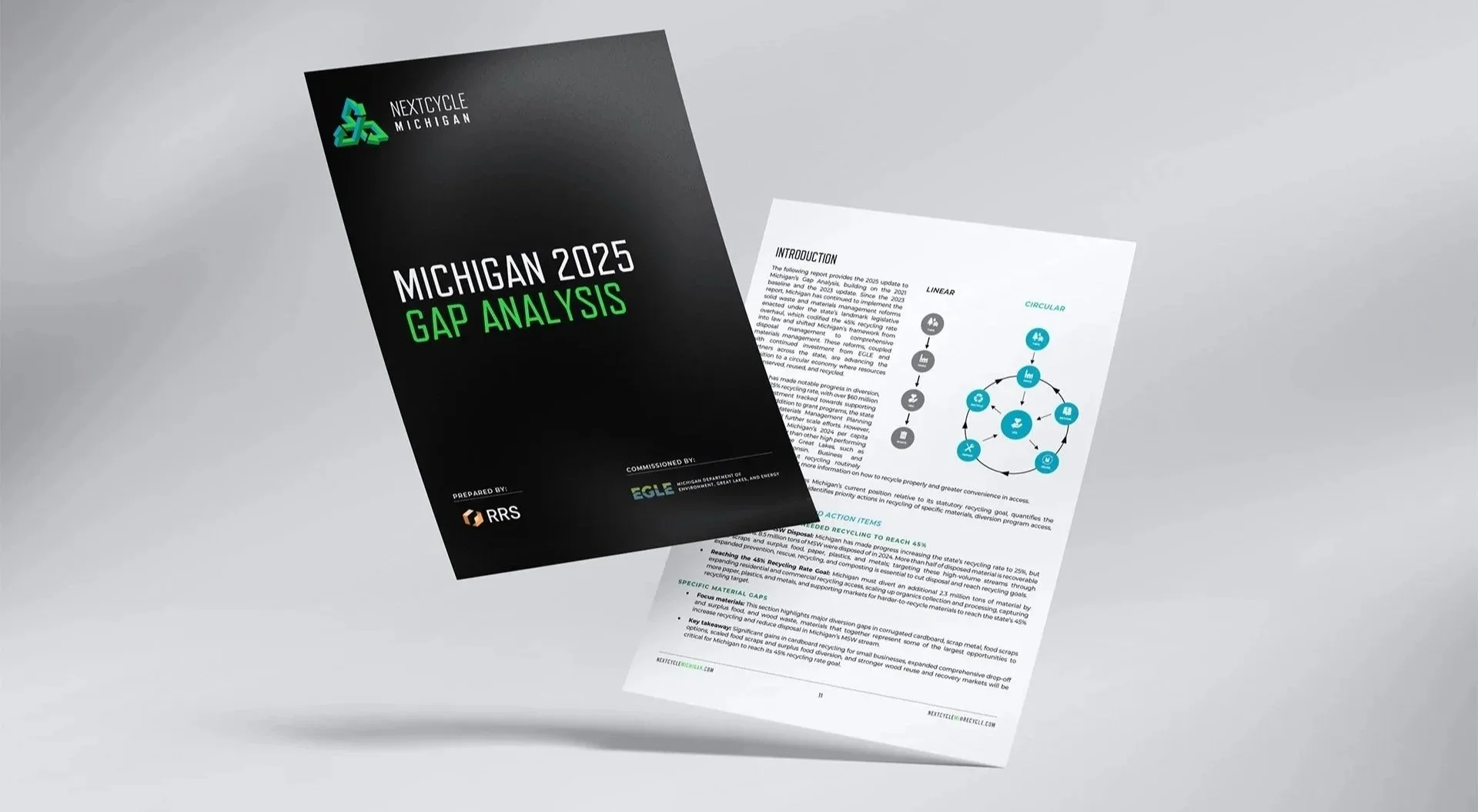
Gap Analysis
-
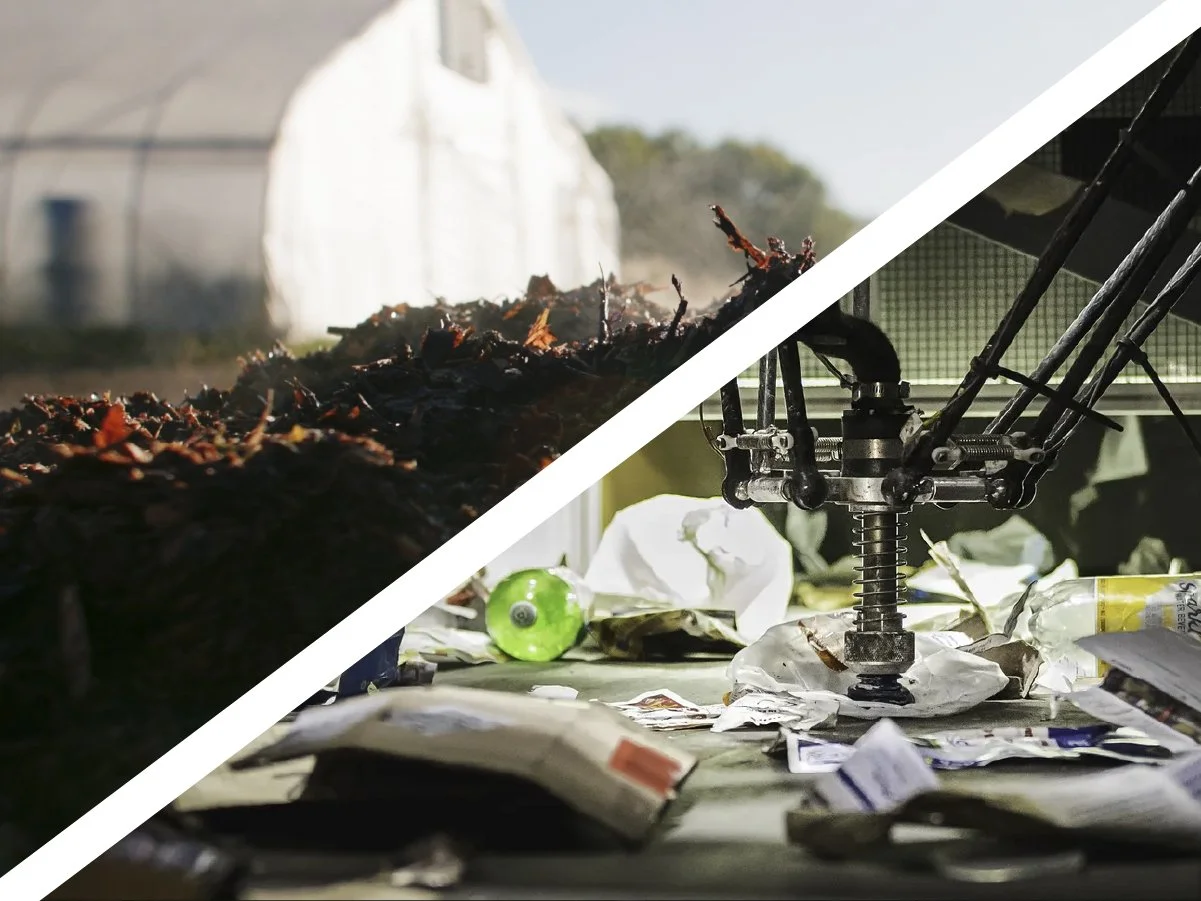
Recycling Technology Solutions + Organics Solutions Application Period Open
-

Virtual Roundtable: EV Battery Supply Chain
-
Three Unique Solutions for Food Scraps

What Participants Are Saying
-
![Headshot of Luis Chen of Wormies]()
"NextCycle has played a major role in our growth which included the development of a new facility for our composting and hauling operation. The program gave us the technical support and credibility to receive funding that would otherwise have been difficult to obtain.’’
LUIS CHEN AGUILERA | WORMIES
-
![Headshot of John Kinch of Michigan Energy Options]()
“MICROS provided my nonprofit the space to be truly innovative in our thinking to bring a new service to the renewable energy sector. This is not yet ready for implementation, but the start-up support provided by NextCycle Michigan is critical to getting us there”
JOHN A. KINCH | MICHIGAN ENERGY OPTIONS
-
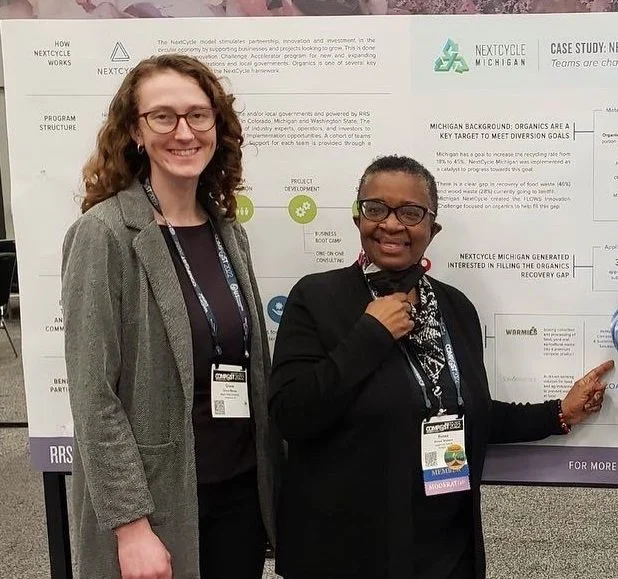
![Two women in front of a foam board presentation]()
“NextCycle Michigan has allowed us to fast-track things we've been discussing and conceptualize how our community-centered composting model will work.”
RENEE WALLACE | REMARK COMPOSTING SOLUTIONS
-
![Headshot of Madeline Miller of Nextiles]()
"NextCycle Michigan was my first opportunity to pitch in person. Part of my preparation involved how to properly share the value of my business. I also connected with valuable suppliers and discovered other technologies that could be integrated into our building insulation material.”
MADELINE MILLER | NEXTILES



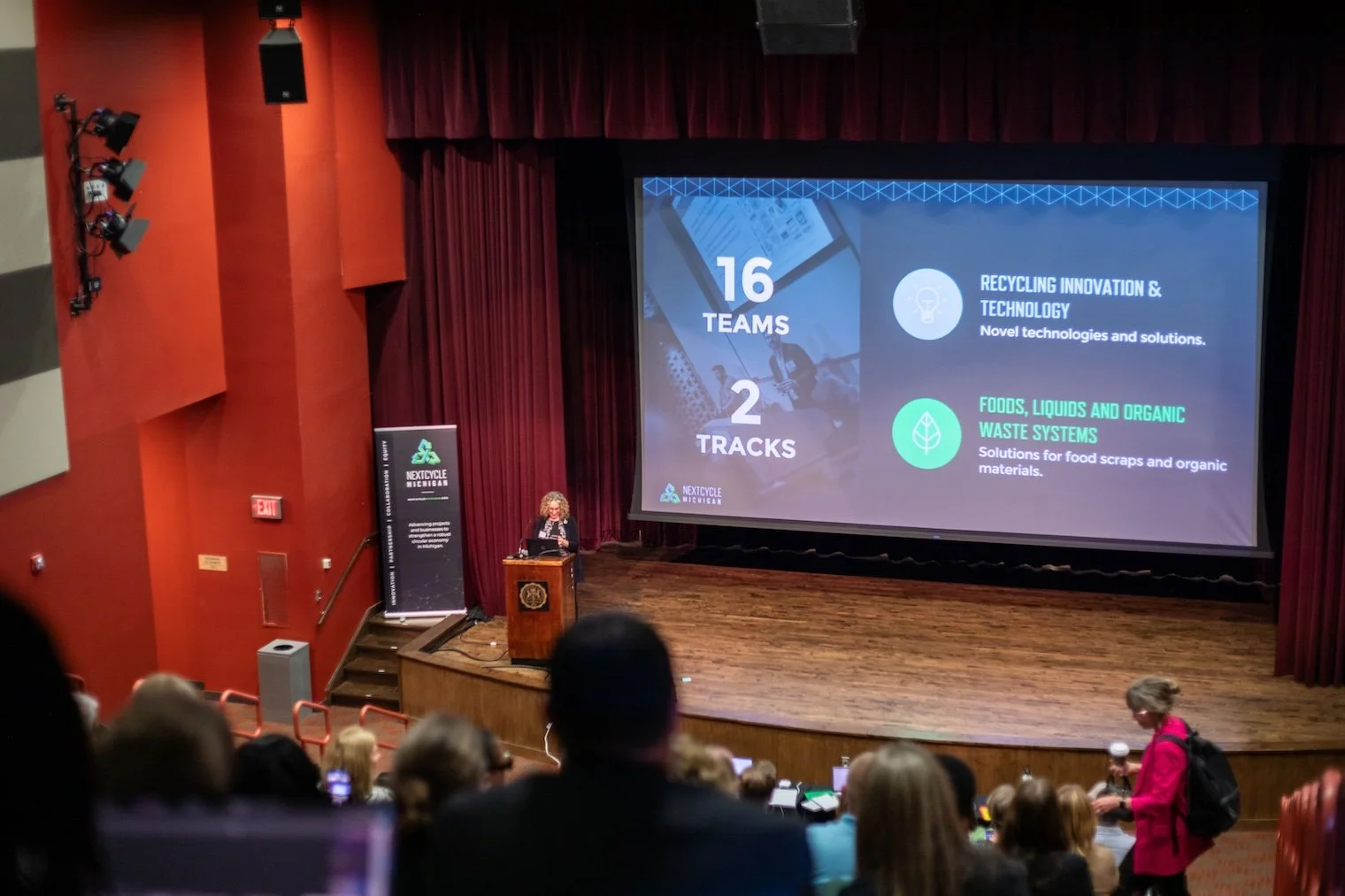
Mark Your Calendar
-
Aug 24 - Oct 22 2026
Recycling Technologies & Organics Solutions Application Period
-
Nov 10, 2026
Fall Showcase: Public-Led Solutions & Recycling Supply Chain Solutions
-
Nov 12
Marketplace Virtual Roundtable: Reuse & Thrifting
-
Feb-Mar 2027
Public-Led Solutions & Recycling Supply Chain Application Period
-
Apr 2027
Pitch Competition: EV Batteries
-
June 2027
Pitch Competition: Recycling Technologies & Organics Solutions
-
Oct-Nov 2027
Recycling Technologies & Organics Solutions Application Period
-
Nov 2027
Pitch Competition: Public-Led Solutions & Recycling Supply Chain Solutions
Stay Connected to NextCycle Michigan

JOIN THE MAILING LIST

FOLLOW US ON LINKEDIN