
Gap Analysis
The Gap Analysis shows Michigan’s progress toward a 45% recycling rate and what’s needed to reach it: which materials offer the biggest gains, where residents and businesses lack convenient access, and how targeted investments produce measurable results.
Reaching the goal means diverting an additional 2.3 million tons of material each year, about a quarter of everything the state sent to disposal in 2024.
-
8.5M
tons of waste disposed in 2024
-
2.3M
more tons to divert each year to reach 45%
-
$60M+
in EGLE investment, 2019–2024
-
$443M
total circular economy investment statewide
-
$11.8M
in new EGLE grants announced in 2025
From Linear to Circular Economy
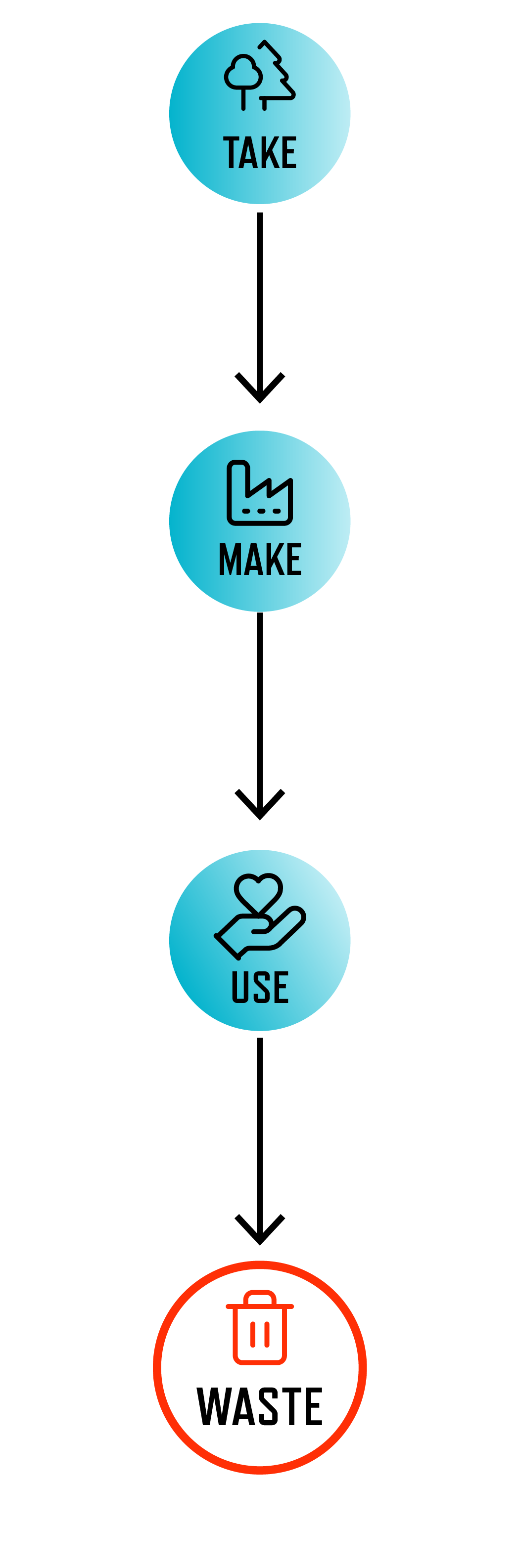
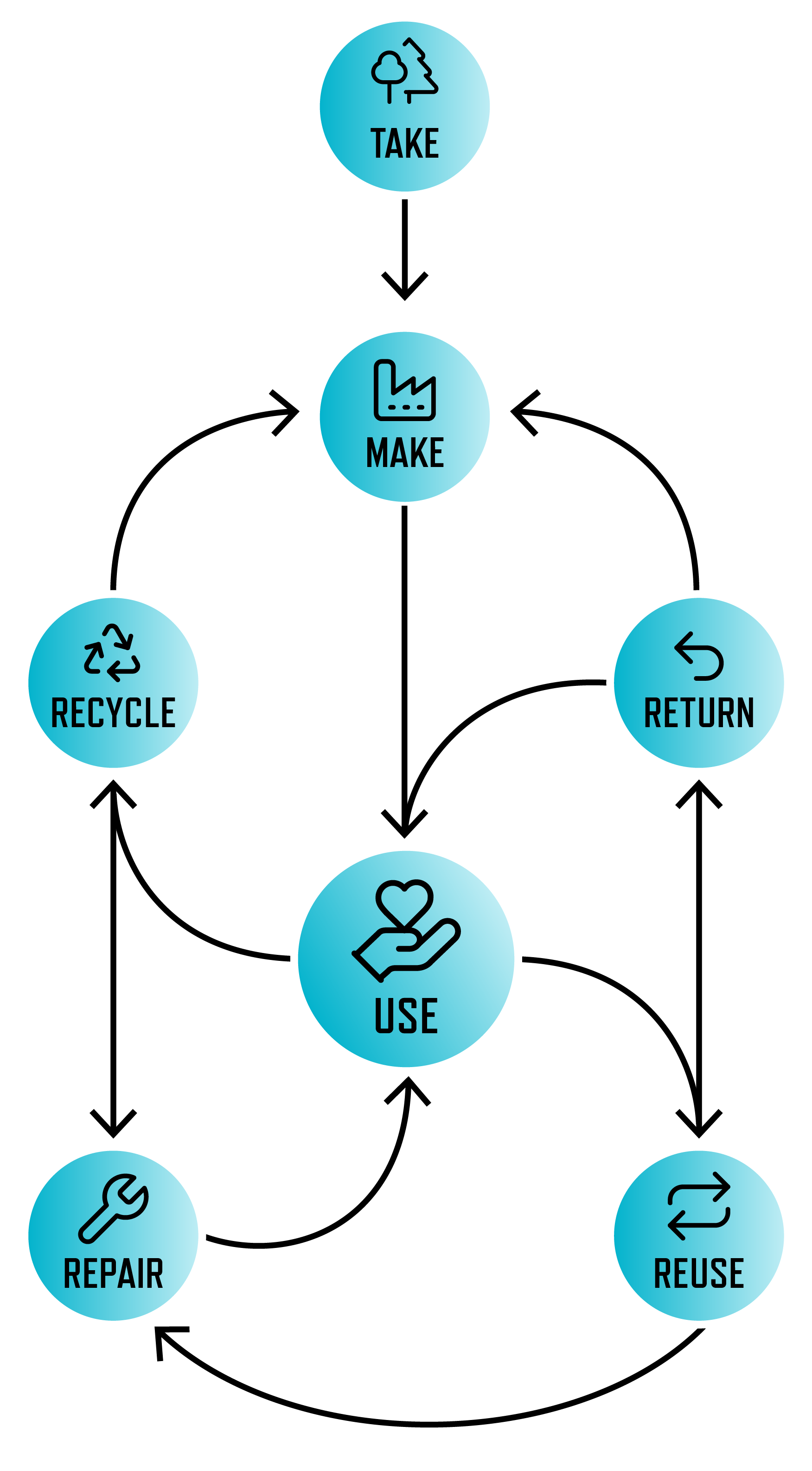
Michigan is shifting away from a take, make, use, and waste model toward one where materials are kept in use through repair, reuse, return, and recycling. The Gap Analysis is the roadmap for that shift. It shows how far the state has come, reaching a 25% recycling rate, and marks the ground still left to cover.
Closing the gap is not only an environmental goal. It keeps value and jobs in Michigan communities, reduces what ends up in landfills, and supports the state's broader climate commitments.
WHY IT MATTERS
LINEAR ECONOMY
CIRCULAR ECONOMY
The distance to 45%, by material
Every material tells a different story. The black bars show what Michigan recovers today, while the blue bars reveal how much more recovery we need to reach the goal. Organics and paper stand out with the biggest gaps, pointing to the greatest opportunities for progress. That’s why this report zeroes in on four focus materials: food scraps, cardboard, scrap metal and wood waste.
WHERE THE GAP IS
SOLUTIONS THAT HELP REACH SHARED GOALS
Where to act
Whether scaling proven models or creating new ones, Michigan can address recycling supply-chain gaps and reach more communities. Identifying opportunities and best practices is the first step. Data visualizations, resources, and reports reveal where to act.
-
Improve Access
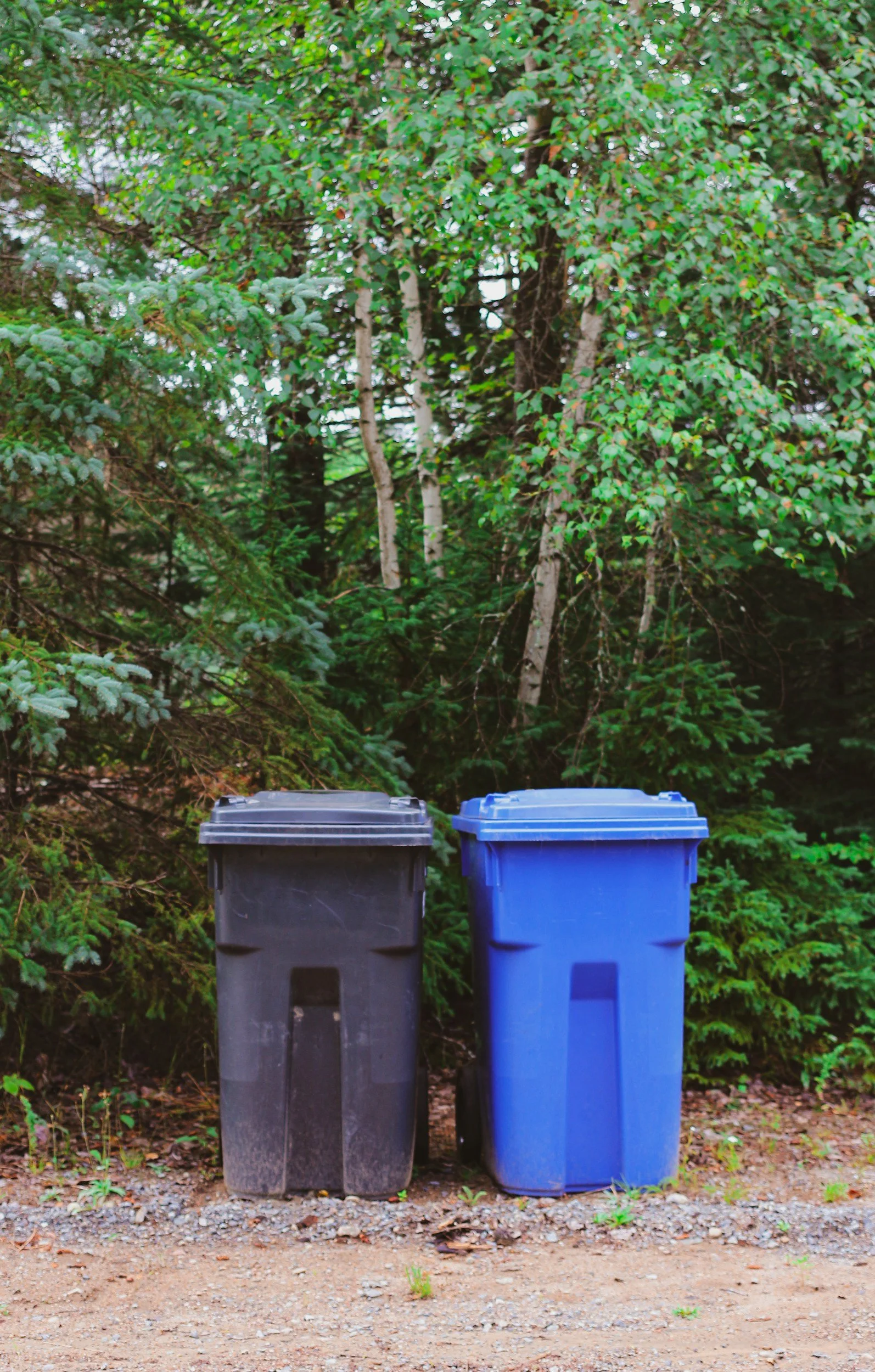
Ensure Michiganders have the Right to Recycle through equitable and inclusive programs.
Maps where access falls short, from rural curbside gaps to drop-off sites that only 26% of residents can use for materials beyond the basics.
-
No Material Left Behind
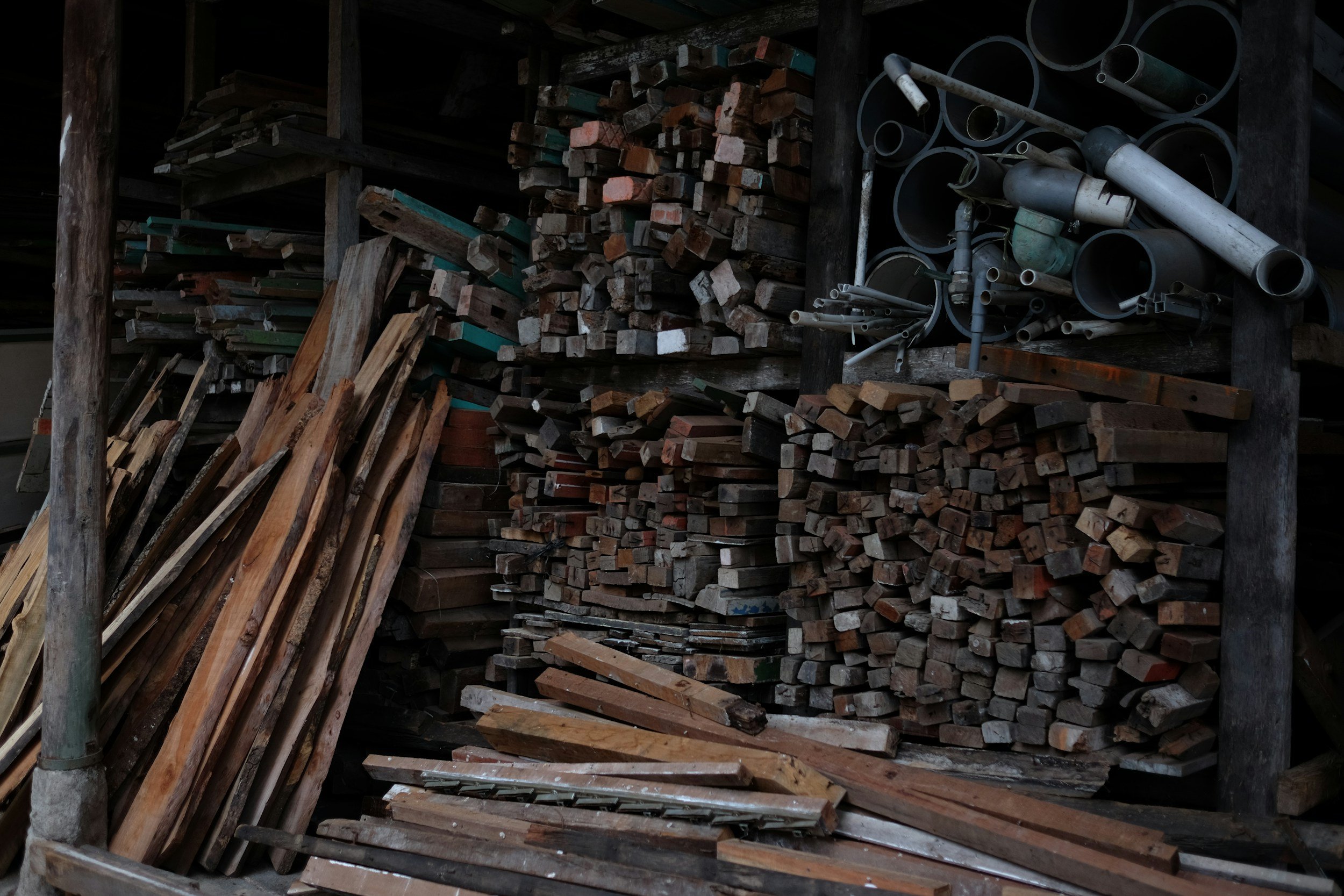
Explore how any ‘waste’ material could be used and be profitable.
Pinpoints the materials with the most room to recover, from food scraps and cardboard to scrap metal and wood waste.
-
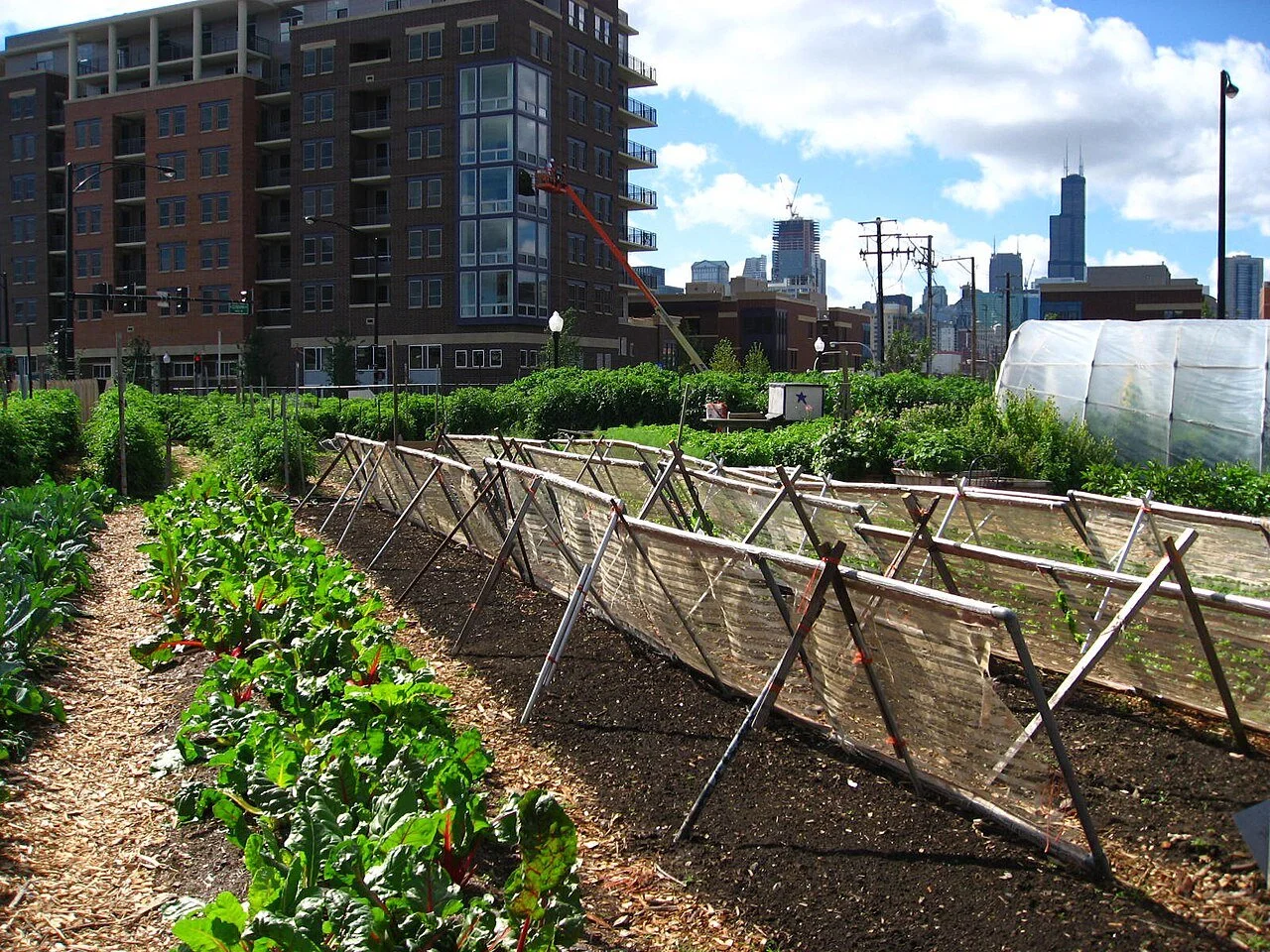
Keep Value in Our Communities
Benefit from the economic impacts of local circular economies.
Tracks how more than $60M in EGLE investment has leveraged $443M in circular economy activity statewide.
-
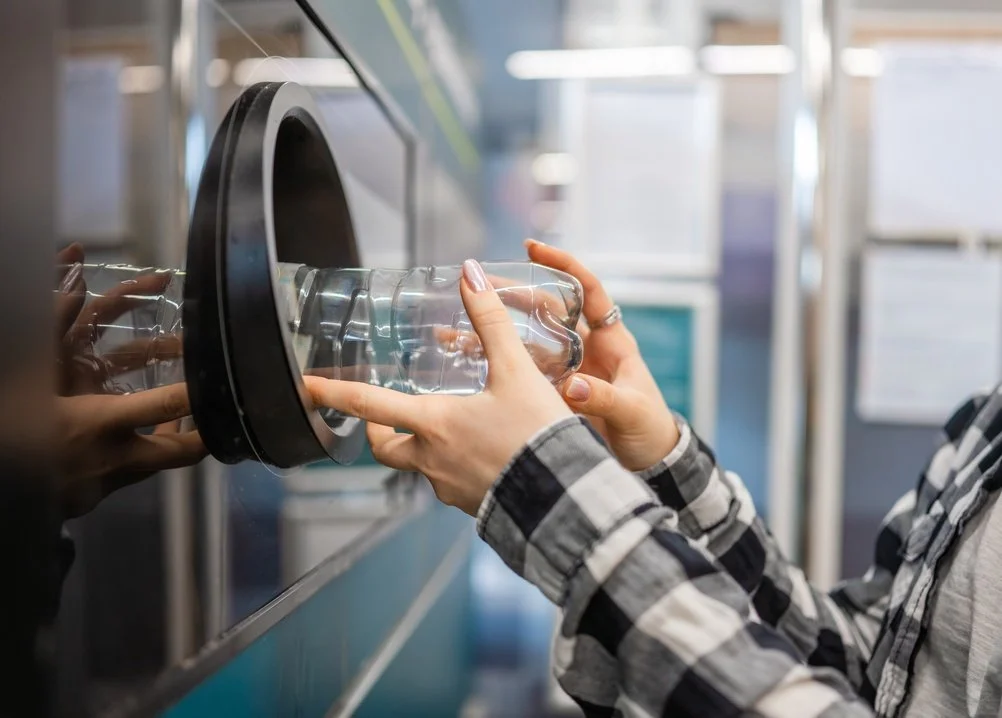
Policy Change
Implement best practices with leadership from local decision makers.
Reviews the policy tools that lock in progress: organics, extended producer responsibility, and the bottle deposit system.
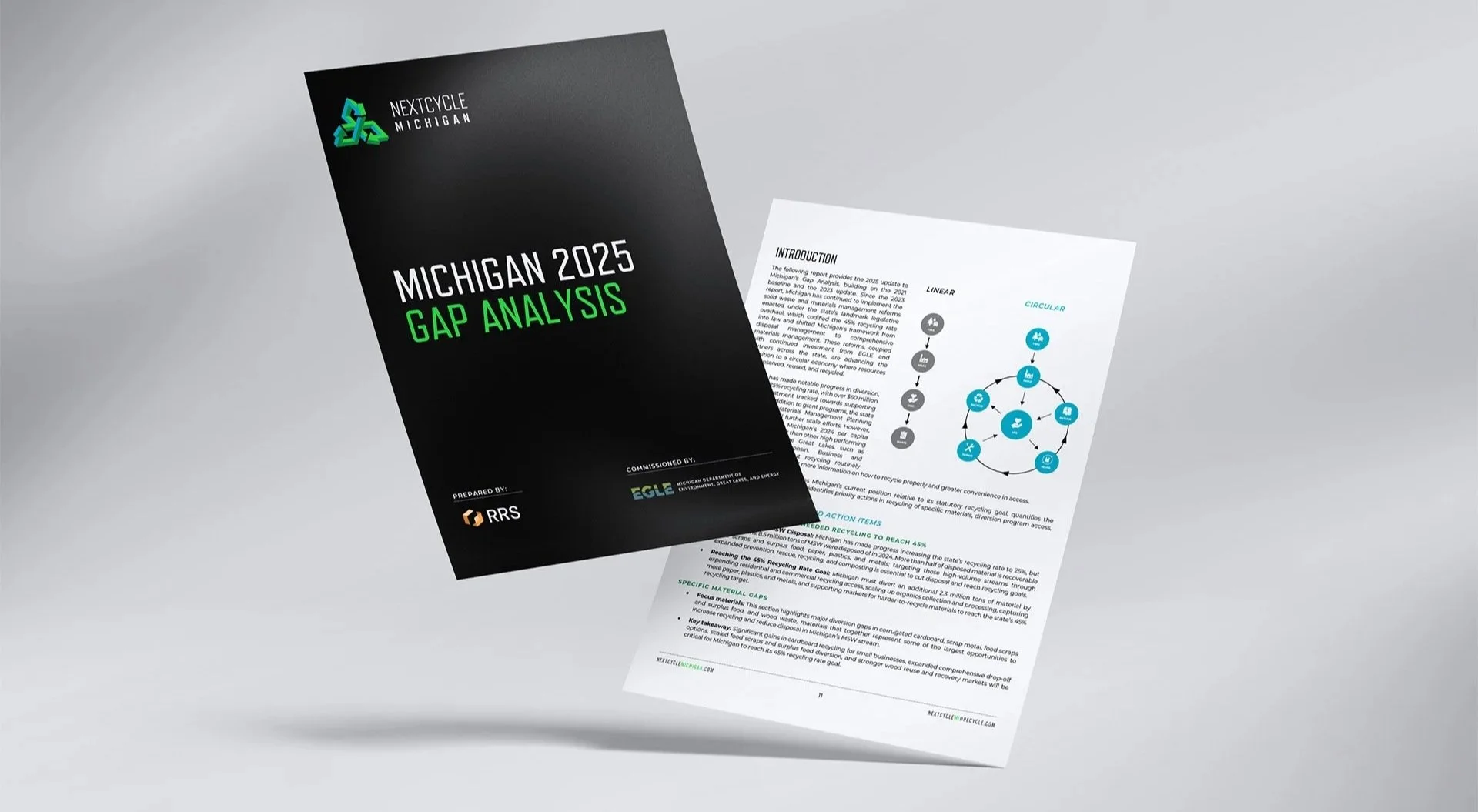
The 2025 Gap Analysis Report
Data collected from across the State helps inform where opportunities exist and reveal where solutions can have the largest impact.
GAP ANALYSIS ARCHIVE
NextCycle michigan Battery Gap Analysis
Insights from Michigan communities reveal key gaps and opportunities to strengthen battery recycling and recovery statewide.
ADDITIONAL TOOLS & RESOURCES
We have assembled various tools, reports, graphics, and links to help develop and scale solutions to strengthen Michigan’s circular economy. Visit these pages to explore additional resources.
-

Resource Library
Searchable repository of reports and links to additional resources.
-

Data Visualizations
Maps of Michigan’s MRFs, drop-off centers, organic waste facilities, end markets, and project investments.
-

Funding Pathways
Information on NextCycle Michigan and other funding opportunities.