
Multinational cohort seeks to develop EV battery next-life solutions in Michigan.
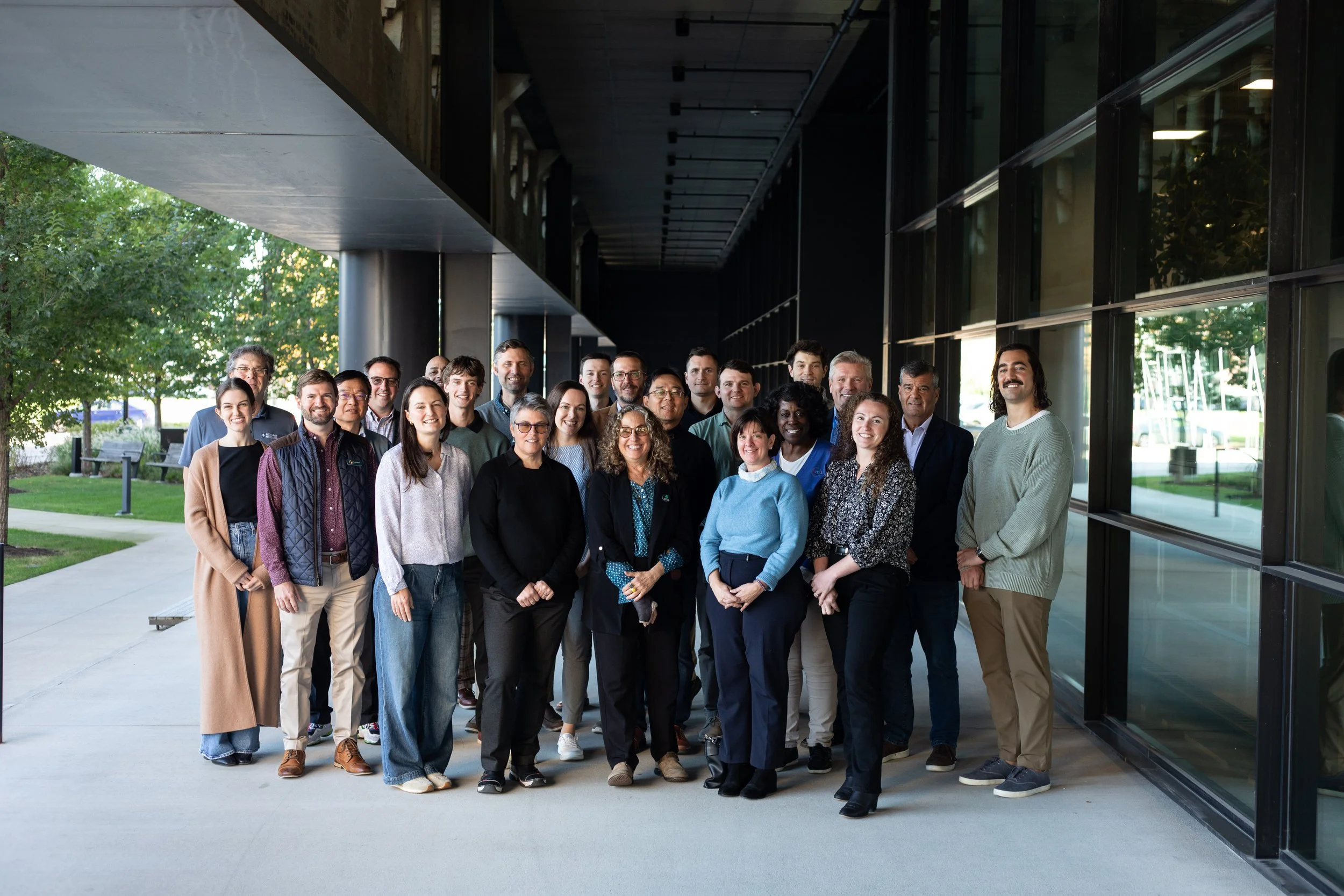
Electric vehicle (EV) batteries may reach the end of their useful life in a vehicle, but that doesn't mean they're out of power. In fact, these batteries often retain significant energy storage capacity, making them valuable resources for second-life applications before recycling. A new cohort of nine teams has been selected to participate in NextCycle Michigan’s Circular Economy Accelerator, where they will advance solutions focused on reusing, repurposing and recycling EV batteries to unlock new opportunities and strengthen Michigan’s circular economy.
“As electric vehicle adoption continues to grow, we need to be thinking now about what happens to those batteries throughout their lifecycle. By developing solutions for battery reuse, repurposing and recycling today, we can be better prepared to manage the growing volume of batteries in the years ahead, keeping valuable materials in the supply chain, and creating new economic opportunities for Michigan businesses,” said Julie Staveland, assistant division director of the Materials Management Division of the Michigan Department of Environment, Great Lakes, and Energy (EGLE).
NextCycle Michigan, an EGLE initiative, is an accelerator that provides operational and technical support to advance projects and businesses that divert material from landfills and expand Michigan’s circular economy. Selected teams will receive six months of customized coaching focused on refining business plans, making supply chain connections, strategizing commercialization efforts, identifying funding opportunities and more. EGLE funds the program, and it requires no fees or equity shares to participate.
The teams selected to participate in the special EV battery track include:
Arcam Corp. (Hopkinton, MA): Seeking to locate its first U.S. production facility for recycling lithium iron phosphate cathode active materials (LFP CAM) in Michigan near cell manufacturers.
Cold Spark (Longmont, CO): Exploring options to locate a cryomilling battery processing plant in Michigan that can recover a high percentage of critical minerals from end-of-life EV batteries.
ESSPI (Detroit, MI): Seeking to secure formal agreements with Michigan recyclers to implement its monitoring and containment platform that identifies lithium-ion battery failure in storage settings before it becomes a fire.
Great Lakes Recycling (River Rouge, MI): Seeking to scale operations to increase EV battery dismantling capacity from scrap yards and through partnerships with OEMs and other organizations.
LiPhera (Somerville, MA): Seeking partners to further develop a new approach that uses electricity rather than chemicals to extract minerals from battery black mass.
ReCharge ReCycling (Fenton, MI): Developing a Michigan EV battery exchange and traceability network offering diagnostics, routing and chain-of-custody tracking.
RePurpose Energy, Inc. (Fairfield, CA): Seeking to partner with Michigan OEMs, battery collectors and dismantlers to license its battery testing technology and jointly build second-life energy storage systems.
SBM Tech Ltd. (Ontario, Canada): Developing a modular recycling platform for large-format EV batteries, pairing a mechanical line with a hydrometallurgical pilot.
Vesco Clean Energy LLC (Grand Rapids, MI): Seeking to improve and expand access to safe EV battery collection and transport in Michigan.
NextCycle Michigan is facilitated by Resource Recycling Systems (RRS), with support from subject matter experts including Fresh Coast Climate Solutions, NextEnergy and the Michigan Recycling Coalition.
The cohort will showcase its solutions during a live pitch competition in Spring 2027. Organizations that would like to connect with the teams, partner on projects or support the NextCycle accelerator are asked to email NextCycleMI@recycle.com.
More information about NextCycle Michigan can be found at www.NextCycleMichigan.com.